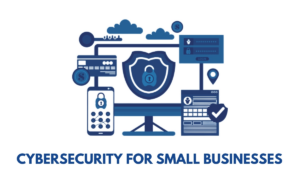
In 2024, small businesses continue to be prime targets for cybercriminals. With limited resources and often less robust security measures, small businesses are vulnerable to a variety of cyber threats.
Understanding these threats is the first step in building a defense against them. In this post, we’ll explore the top 5 cybersecurity threats small businesses face and how to protect against them.
1. Phishing Attacks
Phishing remains one of the most common and effective cyberattacks, where hackers impersonate trusted contacts to steal sensitive information. Small businesses are often targeted through fake emails or fraudulent links that look legitimate but trick employees into sharing passwords or confidential data.
How to Protect: Implement employee training programs to recognize phishing attempts and use email security tools to filter out malicious messages.
2. Ransomware
Ransomware attacks involve hackers locking your business’s critical data and demanding a ransom for its return. Small businesses are particularly vulnerable because they often lack advanced backup systems.
How to Protect: Invest in secure, automated backups and ensure that your data is regularly saved offline or in the cloud to minimize damage from ransomware attacks.
3. Insider Threats
Insider threats come from employees, contractors, or business partners who misuse their access to the company’s systems. These can be accidental (through negligence) or intentional (from disgruntled employees).
How to Protect: Regularly monitor access logs, implement strong access control policies, and revoke permissions when employees leave the company.
4. Weak Passwords and Authentication
Weak or reused passwords make it easy for hackers to access business accounts. Two-factor authentication (2FA) can significantly reduce the risk of password-based breaches.
How to Protect: Enforce strong password policies and encourage the use of password managers to generate and store complex passwords. Implement 2FA across all business accounts.
5. Unpatched Software and Systems
Outdated software is a goldmine for cybercriminals. Vulnerabilities in old systems allow hackers to exploit weaknesses and gain unauthorized access to sensitive information.
How to Protect: Ensure all software, including operating systems and security tools, is regularly updated with the latest patches.
Conclusion
Small businesses must stay vigilant in 2024. By recognizing and addressing these top cybersecurity threats—phishing, ransomware, insider threats, weak passwords, and unpatched software—you can better safeguard your business from cyberattacks. Implementing proactive measures and continuous monitoring is key to staying secure in the digital landscape.